
Where to Find Your VIN, and Why We Always Ask for It
The 17-character VIN is the fastest way to get the right part for a German car. Here is where to find it on an Audi, VW, BMW or Mercedes and what it tells a parts counter.
Read guide
"Does my car have a timing belt?" is one of the most common questions we get, usually from someone who just bought a used Audi or VW and found a vague line in the service history. The short answer: most modern gasoline engines from the Volkswagen Group use a chain, most of the older and diesel ones use a belt. The long answer is below.
Both do the same job: they keep the crankshaft and camshafts turning in sync so the valves open at the right moment. A belt is a toothed rubber composite part that runs dry outside the engine. It is quiet and cheap to make, but it ages and must be replaced on a schedule. A chain runs inside the engine in oil. It is meant to last much longer, but it relies on tensioners and guides that can wear, especially if oil changes were stretched.
| Engine (common name) | Typical vehicles | Drive |
|---|---|---|
| 1.8T 20-valve | Older A4, Jetta, Golf/GTI, Passat | Belt |
| 2.0T FSI (EA113) | 2006–2008 GTI, A3, A4 | Belt |
| 1.8T / 2.0T TSI (EA888) | Most Audi and VW gasoline 4-cylinders since roughly 2008 | Chain |
| 2.5L 5-cylinder | Jetta, Golf, Beetle (US market) | Chain |
| VR6 3.6L | Atlas, older Passat, Touareg | Chain |
| 3.0T supercharged V6 | A6, A7, Q5, Q7, S4, S5 | Chain (rear of engine) |
| 2.0 TDI diesel | Jetta, Golf, Passat, A3 TDI | Belt |
Engine codes change by year and market, so treat this as a starting point. Your VIN settles it in a minute; send it to us and we will tell you exactly what you have.
Follow the interval in your maintenance schedule. On VAG engines it is commonly in the range of 80,000 to 110,000 miles, with an age limit as well. If the history is unknown, assume it is due. On these engines a snapped belt usually means bent valves.
When the belt is replaced, the labor overlaps with several other parts, so a good kit includes:
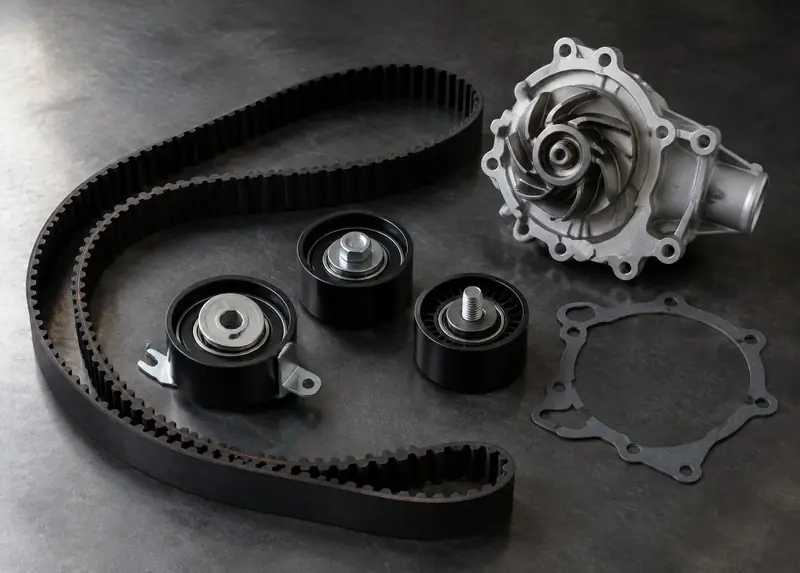
There is no fixed replacement interval, but there are things to watch. Early EA888 engines (roughly 2008 to 2012) used a timing chain tensioner that was later updated. If yours has never been checked, it is worth having a shop look, or at least listen for a rattle on cold start that lasts more than a second or two.
The best thing you can do for any chain engine is boring: change the oil on time with the oil specification the manufacturer lists (for VW and Audi, the VW 502 00 / 504 00 / 508 00 families depending on the car). Clean oil keeps the hydraulic tensioner happy.
Timing components are an area where we recommend OE suppliers only. We typically source from the companies that supply the factory, such as INA, Continental and Gates for belts and tensioners, and Hepu or Graf for water pumps where they are the OE source. Read more in our guide to OE, OEM and aftermarket.
This guide is general information. Always follow the manufacturer's service information for your specific vehicle. See our disclaimer.
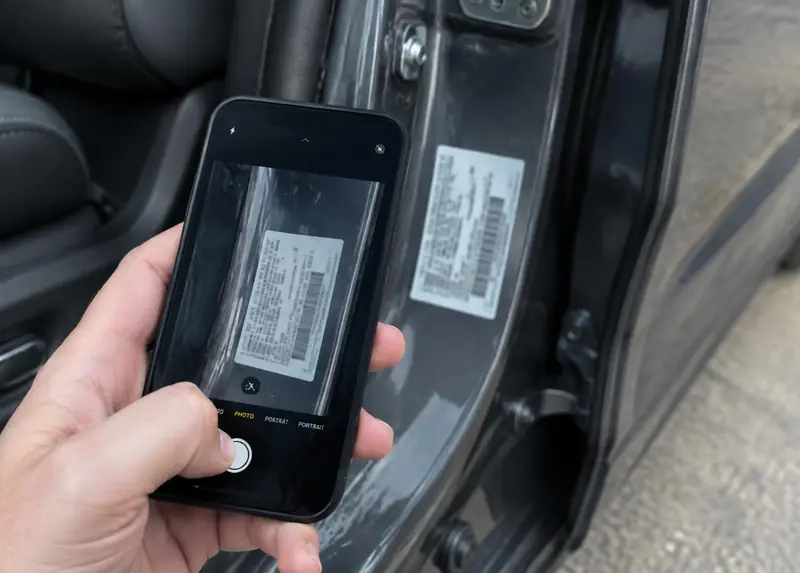
The 17-character VIN is the fastest way to get the right part for a German car. Here is where to find it on an Audi, VW, BMW or Mercedes and what it tells a parts counter.
Read guide
A straight explanation of genuine, OE, OEM-quality and aftermarket parts for European cars, with examples of when the cheaper option is fine and when it is not.
Read guide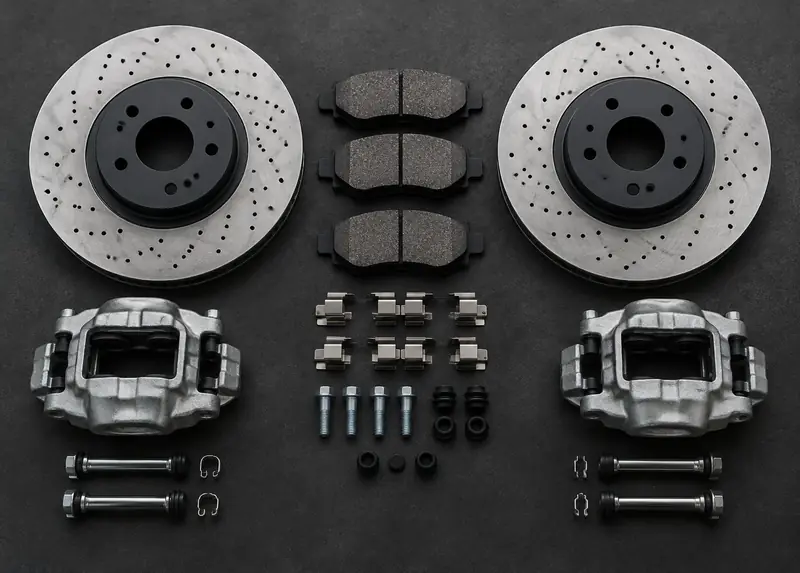
When to replace pads and rotors together, why wear sensors matter, the electronic parking brake catch, and how to bed in new brakes on Audi, VW, BMW and Mercedes.
Read guide
Send a VIN and a short description. A parts specialist checks fitment and replies with a written quote, usually the same business day.